Residential Drain Cleaning Tacoma for Better Drain Care and Fewer Plumbing Surprises
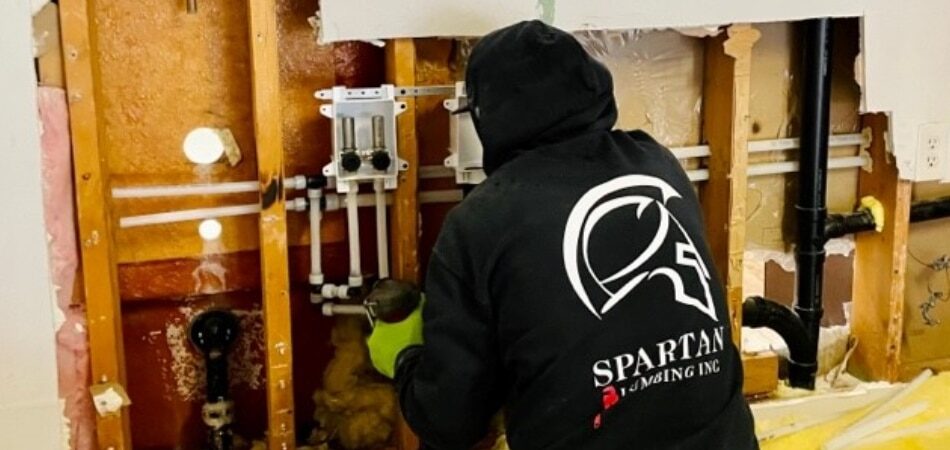
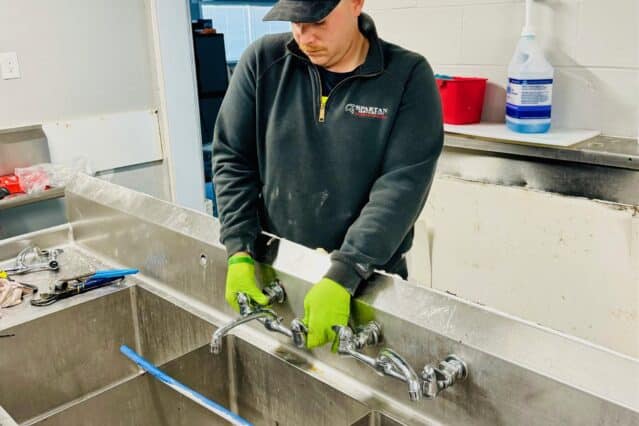
A drain problem rarely arrives at a convenient time. It starts small, often with a sink that empties a little slower than usual or a shower that leaves an inch of water around your feet. Then one busy morning, the kitchen line backs up, the downstairs tub gurgles, and the whole house suddenly feels one plumbing mishap away from a much larger repair bill. That pattern is familiar in homes across Tacoma, where weather, tree growth, older piping, and everyday habits all play a role in how drains age.
Residential Drain Cleaning Tacoma is not just a reactive service for emergencies. Done at the right time and with the right method, it is one of the simplest ways to protect your home from avoidable plumbing surprises. Good drain care helps fixtures work the way they should, reduces odor problems, limits the risk of backups, and gives homeowners a clearer picture of what is happening inside the pipes hidden behind walls and under floors.
Homeowners often think of drains as either working or clogged, with not much in between. Real plumbing does not behave that cleanly. Most drain systems decline gradually. Grease narrows kitchen lines over months. Soap scum, hair, and mineral deposits shrink bathroom drain openings little by little. Tree roots can find a tiny crack and slowly turn it into a recurring stoppage. By the time the symptoms become obvious, the line is usually not just dirty, but significantly restricted.
That is why timing matters. A modest cleaning job performed before a complete blockage can save a homeowner from water damage, fixture downtime, and the stress of after-hours service calls.
Why Tacoma homes develop drain problems so often
Tacoma presents a mix of conditions that can be hard on residential drainage systems. The city has neighborhoods with long-established trees, a broad range of home ages, and many houses with plumbing that has seen decades of use. Add a damp climate and active root systems, and you have a setting where drains need more attention than many people expect.
Older homes are a major part of the story. Some still have aging galvanized lines, older cast iron sections, or sewer spartanplumbinginc.com Residential Drain Cleaning Tacoma laterals that have settled over time. Even when the visible plumbing fixtures look updated, the hidden drain network may still include original materials or old transitions between pipe types. Those transition points can catch debris more easily than a smooth, modern run of pipe.
Tacoma’s mature landscaping is another factor. Trees do not need a large opening to enter a sewer line. A joint, a hairline crack, or a section weakened by age can be enough. Once roots find moisture and nutrients, they keep coming back. Homeowners are often surprised to learn that a drain can seem fine between cleanings, yet still have an active root problem that requires monitoring.
The local pattern of rain also matters in a less direct way. Wet seasons keep soil active and can expose weaknesses around buried lines. Shifting ground, small settlement changes, and repeated moisture can aggravate pipe joints that were already vulnerable. The result may not be a dramatic collapse, but it can be enough to create bellies in the line, recurring snags, or places where solids begin to collect.
What a “slow drain” usually means in real life
A slow drain sounds minor, but it is one of the more useful early warning signs in home plumbing. In a kitchen sink, slow drainage usually points to grease, food residue, and soap accumulation on the inner pipe walls. In a bathroom sink, it often comes from toothpaste, hair, shaving residue, and soap scum building around the trap and branch line. In tubs and showers, hair is the usual main contributor, though product buildup and hard water deposits can be close behind.
When more than one fixture begins acting up, the problem may be farther down the system. A single sluggish sink may be local to that drain. A shower, toilet, and sink in the same area all showing symptoms at once can suggest a branch line issue. If the lowest fixtures in the home back up first, that raises concern about the main sewer line.
This is where experienced judgment matters. Not every clog needs the same response. A bathroom sink blocked by hair near the stopper is very different from a main line constricted by roots and years of sludge. Treating every problem with the same tool is one of the fastest ways to waste money or damage older piping.
The methods that actually make sense for residential drain cleaning
Homeowners hear a lot of terms, and not all of them mean the same thing. “Drain cleaning” can range from clearing a soft local clog to fully scouring a line wall to wall. The right method depends on what is in the line, where it is located, and what condition the pipe is in.
A handheld auger or drain snake is often useful for nearby stoppages, especially in sinks, tubs, and showers. It can break through or retrieve hair and soft obstructions. For a minor bathroom line problem, this can be the right first move. It is quick, targeted, and less invasive than larger equipment.
Mechanical cable machines go further and are commonly used for branch lines and some main line stoppages. They can cut through grease buildup, paper blockages, and light root intrusion. They are effective, but they do not always fully clean the pipe walls. In many cases, they restore flow without removing all residue. That distinction matters, because a line that flows today may clog again sooner if the buildup remains.
Hydro jetting is a more thorough cleaning approach when conditions are appropriate. Pressurized water scours the interior of the pipe and removes grease, sludge, scale, and smaller roots far more completely than a basic cable clearing. It is particularly valuable for recurring problems where the line needs more than just a hole punched through the blockage. That said, hydro jetting is not automatically the right answer for every home. Fragile, damaged, or badly deteriorated pipes may need inspection first to make sure high-pressure cleaning is safe.
Camera inspection often turns a frustrating guessing game into a clear plan. Instead of treating symptoms repeatedly, a camera shows whether the issue is grease, roots, offset joints, standing water, or a damaged section of pipe. For homes in Tacoma with older sewer lines, a camera can be one of the smartest steps after a recurring backup. It shifts the discussion from assumptions to evidence.
Store-bought drain cleaners and why they disappoint so often
Chemical cleaners remain popular because they promise fast results with very little effort. In practice, they are inconsistent at best and destructive at worst. They may soften some organic matter near the top of a clog, but they rarely solve deeper or more complex blockages. When they fail, they leave behind a harsh chemical mixture sitting in the drain, which makes later service harder and less pleasant.
There is also the heat issue. Some products create enough heat during reaction to stress certain pipes or trap assemblies, especially if the line is already compromised. Even when a chemical cleaner seems to help, it often does not remove the surrounding residue that caused the restriction in the first place.
Professionals who do Residential Drain Cleaning Tacoma work see this pattern all the time. A homeowner tries a liquid product once, then again, then a different brand, and by the time help is called, the blockage has thickened, the pipe has taken unnecessary abuse, and the service visit becomes more complicated than it needed to be.
A plunger, used correctly, is generally safer for simple stoppages. A basic hair removal tool in a bathroom drain can also help if the obstruction is near the surface. Beyond that, repeated chemical treatment is usually not a good strategy.
The hidden cost of waiting too long
Plumbing backups are expensive in ways people do not always anticipate. The bill for clearing the line is only part of the story. There is also cleanup, damaged flooring, saturated trim, ruined storage, unpleasant odor, and lost time. When a lower-level shower or utility area backs up with wastewater, the cleanup can quickly become more serious than the original drain service.
Waiting also narrows your options. A drain that could have been cleaned and monitored six months earlier may become a candidate for repair if roots enlarge the break or corrosion worsens. It is much cheaper to maintain a line Residential Drain Cleaning Tacoma that is beginning to struggle than to recover from one that has fully failed.
One of the more common homeowner reactions is, “It always clears after a while.” That is true until it does not. Intermittent relief is not the same as a healthy drain. In many homes, especially older ones, recurring self-clearing behavior means water is slowly forcing its way past an obstruction that keeps rebuilding. That is not stability. It is a warning.
Signs that point to a professional visit
Some drain issues are straightforward enough for basic at-home attempts. Others deserve a professional look sooner rather than later, especially if they involve multiple fixtures or repeated symptoms.
Here are a few signs that usually justify a call:
- More than one drain is slow or backing up at the same time.
- You hear frequent gurgling from toilets or nearby drains.
- Odors keep returning even after cleaning visible surfaces.
- A clog comes back within days or weeks of being cleared.
- Water appears in the lowest tub or shower when another fixture runs.
Those symptoms suggest the issue may be beyond a simple local clog. In homes with basements, lower bathrooms, or long sewer runs to the street, those early signs are worth taking seriously.
Preventive care works best when it is boring
The most effective drain maintenance is not glamorous. It is a series of small, consistent habits that keep pipes from becoming a catchall for grease, debris, and product residue. People sometimes expect drain care to involve elaborate treatments or expensive add-ons. Usually, the best prevention is simpler than that.
Kitchen lines do better when grease stays out of them entirely. Even hot grease that looks liquid in the pan cools inside the pipe and sticks to the walls. Over time it acts like glue for everything else. Coffee grounds are another common troublemaker. They settle heavily and combine with grease into a dense sludge that is difficult to remove.
Bathrooms benefit from simple physical barriers and routine attention. A hair catcher in a shower drain does more than most liquid products ever will. Regular cleaning of stoppers and strainers keeps buildup from compacting farther down the line. Even the type and amount of product used can make a difference. Thick conditioners, bath products, and certain soaps leave more residue than homeowners realize.
Toilets should only handle toilet paper and human waste. “Flushable” wipes remain a leading cause of avoidable blockages. They do not break down like toilet paper, and they tangle easily with roots or rough spots in older lines.
How often should a Tacoma home have drains cleaned?
There is no universal schedule that fits every home. A newer house with modern piping, modest landscaping, and good household habits may go years without needing professional drain service. An older Tacoma property with root-prone sewer lines and heavy kitchen use may benefit from routine maintenance every year or two.
The right interval depends on the history of the line. If a home has repeated backups, a pattern of root intrusion, or chronic kitchen sludge, then waiting until symptoms reappear is often the wrong approach. Preventive cleaning on a schedule can be more practical and less disruptive. On the other hand, cleaning a healthy line too aggressively or too often without a reason does not provide much value.
A useful approach is to base the plan on evidence. If a camera inspection shows roots entering at joints, then the schedule should reflect how quickly those roots tend to return. If a kitchen line serves a large family and has clogged twice in three years, maintenance may be worth doing before the next holiday season or other periods of heavy use.
What homeowners should expect from a solid service visit
A competent residential drain cleaning appointment should involve more than showing up with a machine and feeding cable into the nearest opening. Good technicians ask about symptom history, identify which fixtures are involved, and consider where the line runs before choosing a method. That conversation often reveals whether the issue is local or systemic.
In a straightforward situation, the work may only require clearing the obstruction and testing drainage. In a more complex case, especially one with repeat symptoms, the technician may recommend camera work to verify the condition of the pipe. That recommendation is not upselling when it is grounded in repeat evidence. It is often the difference between solving the problem and chasing it.
Homeowners should also expect realistic communication. Some lines clear beautifully and stay that way for years. Others clear, but show signs of root entry, corrosion, or partial collapse that make future trouble likely. Honest service means saying both things when they are true.
Repair versus repeated cleaning
There is a point where cleaning stops being the best long-term answer. If a line has significant structural damage, major offsets, or heavy root intrusion through broken sections, repeated cleaning can become a holding pattern rather than a solution. It may buy time, but it will not change the condition of the pipe.
That does not mean every recurring clog requires excavation or replacement. Plenty of lines with minor root entry can be managed successfully for years with scheduled maintenance. The key is knowing which side of that line your home is on. A camera inspection helps make that distinction clearer.
This is where homeowners benefit from balanced advice rather than alarm. A single root event does not always justify major repair. At the same time, a line that needs emergency clearing every few months is rarely “fine.” Good judgment sits in the middle, using the evidence from the pipe itself.
Practical habits that reduce the odds of another backup
Everyday use has more influence on drain health than most people think. Small changes can significantly extend the time between service calls.
A few habits make a measurable difference:
- Let grease cool, then throw it away instead of rinsing it into the sink.
- Use drain strainers in showers and tubs, and clean them regularly.
- Avoid sending wipes, paper towels, and hygiene products into toilets.
- Run plenty of water when using a disposal, but keep fibrous scraps and grease out.
- Pay attention to early warning signs instead of waiting for a full backup.
Those habits are not complicated, but they work because they address the real causes of household clogs rather than just the symptoms.
Why local experience matters in Tacoma
Drain cleaning is one of those trades where local familiarity has real value. A technician who regularly works in Tacoma neighborhoods has likely seen the common pipe materials, recurring root patterns, and layout quirks that show up from one street to the next. That experience can shorten diagnosis time and improve recommendations.
For example, older areas may have a higher concentration of aging side sewers and mature root systems, while some newer developments may see more issues related to heavy soap and grease accumulation than structural pipe failure. The cleaning method, inspection approach, and maintenance recommendation should reflect those differences.
That local context is part of what homeowners are really paying for when they hire experienced Residential Drain Cleaning Tacoma professionals. The equipment matters, certainly, but judgment matters more. Knowing when to cable, when to jet, when to inspect, and when to stop and talk about repair is what keeps a routine service call from turning into a cycle of temporary fixes.
Better drain care is really about fewer unpleasant surprises
Most homeowners do not spend much time thinking about drains when everything is working. That is exactly the point. Good drain maintenance keeps plumbing uneventful. It reduces the chance of panic calls, standing water, foul odor, and weekend disruptions. It also protects the broader plumbing system by catching problems before they spread into cleanup and repair work.
A healthy drain system is not always silent, but it is predictable. Water goes down quickly. Fixtures do not talk back with gurgles. Odors do not linger. Toilets flush without hesitation. Those ordinary results are easy to overlook, right up until they disappear.
For Tacoma homeowners, staying ahead of drain issues is often less about doing more and more about doing the right thing at the right time. When slow drains, repeat clogs, or signs of root trouble appear, prompt professional evaluation can save a great deal of frustration later. And when the line is cleaned properly, maintained sensibly, and used with care, the odds of a nasty plumbing surprise drop dramatically.
Spartan Plumbing Services
Address: 760 107th St S, Tacoma, WA 98444
Phone number: +12534998773
FAQ About Residential Drain Cleaning Tacoma
How much does it cost to have someone clean your drains?
Professional drain cleaning costs between $147 and $352 on average, with most homeowners paying around $246. The final price is heavily determined by the type of drain affected, the clearing method needed, and your geographic location.
How much does it cost to clean a drain line?
Professional drain cleaning costs between $147 and $352 on average, with most standard residential jobs landing right around $246. However, your final bill can scale from $100 to over $800 depending entirely on which drain is clogged and the method required to clear it.
Is professional drain cleaning worth it?
Yes, professional drain cleaning is worth it because it clears deep buildup and prevents expensive plumbing emergencies.